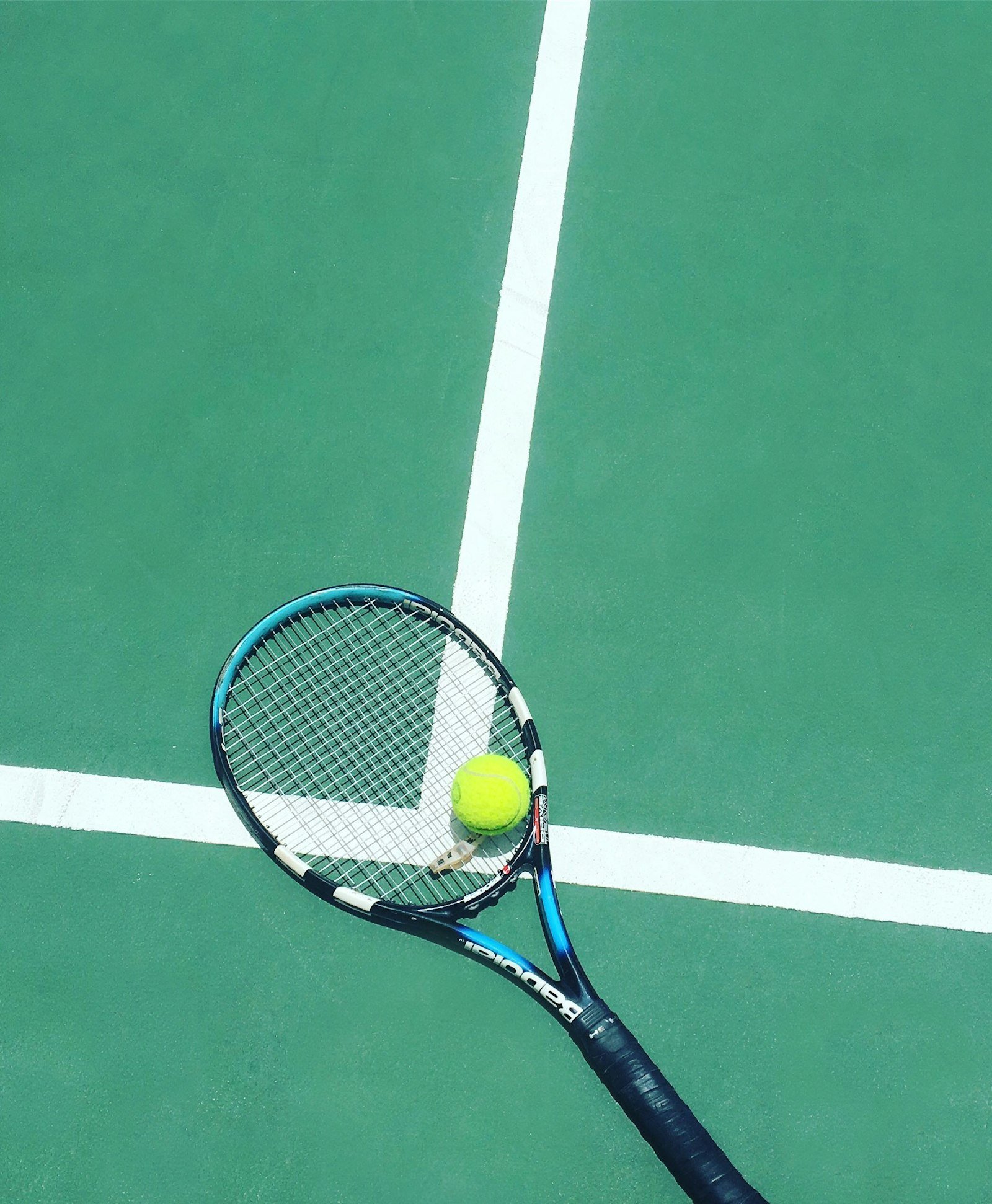
Choosing a padel racket for your teen is walking a tightrope: too heavy, their wrist suffers. Too expensive, and if the passion fades in 6 months, you’ve lost money. Too low-end, and they’ll never progress.
Here’s our complete guide to equipping a 12-17 year old with a racket adapted to their morphology, level, and budget — without making a mistake.
- The 4 essential technical criteria
- Weight: the critical factor
- What budget to plan?
- Our recommended models by age
- FAQ — Teen padel racket
The 4 essential technical criteria
For a teen, we adapt the “beginner racket” criteria to a developing body. Here are the 4 parameters to check.
1. Weight — between 340 and 365g
This is THE criterion number one. A too-heavy racket fatigues a still-developing wrist and shoulder and can cause micro-traumas like tendinitis or epicondylitis. For a growing teen, target 340-365g maximum, while a standard adult racket weighs 365-380g.
2. Shape — round
Round shape offers the largest sweet spot (tolerant zone in the center of the racket). It’s essential for a young learner who doesn’t yet have perfect hand-eye coordination. More demanding diamond or teardrop shapes should be reserved for teens with 2-3 years of experience.
3. Balance — low
A low balance (close to the handle) facilitates control and reduces wrist effort. For a teen learning proper technique, it’s essential.
4. Foam — EVA soft
EVA soft foam is more tolerant, more comfortable, and absorbs vibrations better. A teen forearm is significantly less stressed than with EVA hard.
Weight: the critical factor
Many parents make the mistake of buying “the same racket as dad” for their teen. Bad idea. Here are the weight ranges by age.
| Age | Racket weight | Recommended profile |
|---|---|---|
| 10-12 years | 320-340g | Dedicated kids or junior racket |
| 13-15 years | 340-360g | Light adult racket, round shape |
| 16-17 average build | 360-375g | Standard adult beginner racket |
| 16-17 strong build | 365-380g | Adult intermediate racket |
Practical test: if the teen can extend their arm and hold the racket parallel to the ground for 20 seconds without shaking, the weight is right. If they tire earlier, it’s too heavy.
What budget to plan?
Three scenarios depending on your teen’s commitment.
- Discovery (first month): €40-70. A basic racket to test motivation. At this price, don’t look for perfection — pick a known brand entry-level (Head, Adidas, Babolat) at €50 rather than a no-name.
- Regular practice (1-2 times per week): €70-110. The sweet spot for quality-price. A real brand racket, light, forgiving, that will last 1-2 years.
- Young competition: €110-150. If the teen aims for ranking or joins a padel school, level up. Round shape always, but stiffer carbon for more power.
Our recommended models by age
Here are 3 tested models we recommend depending on the teen profile.
For the 13-15 year old beginner
The Adidas Match Light 2026 (~360g, regular-practice budget) is our default choice. Light, forgiving, modern design — it ticks all the boxes. See our complete padel racket buying guide.
For the motivated teen who plays regularly
The Head Evo Speed (~370g, regular-practice budget) is the most versatile. Round shape, EVA soft foam, very tolerant sweet spot. It will follow the teen for 2 years easily.
For the competitive teen
The Bullpadel Hack 03 Comfort 24 (young-competition budget) is designed for ambitious young players. More powerful but stays tolerant thanks to its Comfort version.
FAQ — Teen padel racket
At what age can a child start padel with a real racket?
From 10-11 years old with a dedicated “junior” racket (320-340g). Before, use foam or light plastic rackets specifically designed for children.
Is a special “teen girl” racket needed?
Not specifically. The only difference with a teen boy is that we systematically prioritize lightness (340-355g). A light unisex racket fits perfectly.
My teen complains of wrist pain: is it the racket?
In 80% of cases, yes. Check the weight (probably too heavy) and the grip (probably too thin, complete with an absorbent overgrip). If pain persists after adjustment, consult a sports doctor.
How long does a teen racket last?
With proper maintenance, 18 months to 3 years depending on play intensity. Teens often have more “technical” strokes that stress the racket less than an adult hitting hard without precision.
Buy new or used?
For a first purchase at €40-70: new, because the risk of getting an already cracked racket is too high used. Above €100: used becomes interesting (price/quality doubled), but inspect frame edges carefully before buying. Pour approfondir, consultez les ressources de Babolat et de Head.
Going further
When to Transition to an Adult Racket
Most teens are ready to move to an adult racket between 17 and 19 years old — once their wrist strength and technique are stable enough to handle a heavier frame (365-380g). The sign isn’t age: it’s when your current racket starts feeling too light and you lose control due to lack of mass rather than skill. If a 16-year-old is playing P100+ and hitting accurately, there’s no reason to delay the transition.
When switching, don’t jump straight to a diamond-shaped pro model. Start with a round or teardrop adult racket at 360-370g — the step up in weight is already significant. Give it 4 to 6 weeks of regular play before judging the fit. Most teens adjust within a month. If you’re unsure, many clubs rent demo rackets for a session — an excellent way to test before committing to a purchase in the €80-150 adult range.
Pour aller plus loin
Top 3 Padel Rackets for Teens in 2026
Based on weight, shape and durability for teen players, here are the top picks at different budget levels.
Babolat Air Viper Junior (discovery budget) is the best entry-level option for teens aged 12–15. Round shape, EVA soft foam, weight around 320–340g — ideal for developing technique without straining the arm. Its forgiving sweet spot makes it easy to control even with imprecise strikes.
Head Padel Alpha Junior (discovery to regular-practice budget) steps up for teens who play twice a week or more. Slightly stiffer frame, better power transfer, still round shape. The extra stiffness helps generate pace without relying on physical strength — a key advantage for younger players.
Bullpadel Flow Junior 22 (regular-practice budget) is the performance pick for teens aged 15–17 who compete or train regularly. Teardrop shape, medium balance, carbon frame — closer to an adult racket but sized and weighted for younger players. If your teen is serious about competing, this is worth the investment.
All three are available at specialist padel retailers. Check our full guide on how to choose a padel racket in 2026 if you want to understand the technical criteria before buying.
When to Upgrade to an Adult Racket
Most teens can switch to an adult racket around age 16–17, provided their wrist and forearm strength are sufficient. The transition sign: if the teen consistently hits the ball into the net because the racket feels too light, they’re ready for more weight. Start at 355–365g (light adult range) rather than jumping straight to heavy competition rackets (375g+). Give it 4 to 6 weeks of adjustment before evaluating.