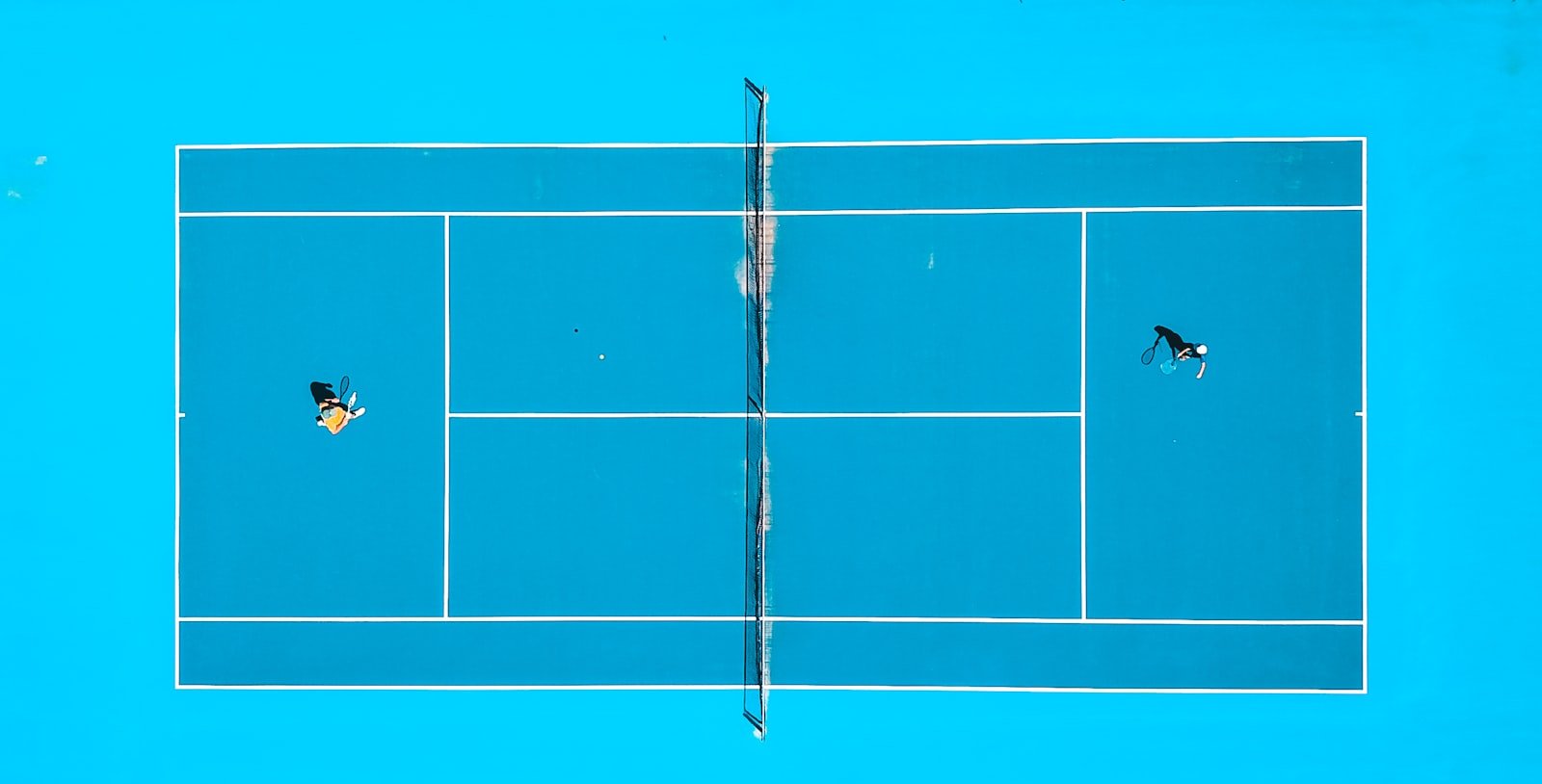
The serve is the only shot in padel you control from start to finish. No opponent pressure, no awkward bounce off the glass, no rushed footwork — just you, the ball and the court. And yet most club players treat it as a formality: they hit it hard, the ball sits up, and the point is lost before it ever really started.
Learning four serves instead of one adds a whole tactical layer to your game. This guide breaks down the padel serve rule by rule and variant by variant: how to hit each one, when to use it, the mistake that ruins it, and how to string them together so your opponents never settle into a rhythm.
- The padel serve rules you have to respect
- Why tennis players get the padel serve wrong
- The four padel serves to master
- How to combine the four serves
- What happens in the two seconds after you serve
- Padel serve FAQ
The padel serve rules you have to respect
Before technique comes legality. A beautiful serve that breaks the rules is still a fault, and the serve is the most heavily regulated shot on the court. If you are still building your foundations, read the complete rules of padel alongside this guide — the two fit together.
The three constraints that define every padel serve
- Underarm, at or below waist height. Contact has to happen at or under the level of your waist. Anything above it is a fault, no matter how clean the strike looks.
- After a bounce. You drop the ball, let it bounce on the ground behind the service line, and only then do you hit it. You never strike the ball out of the air.
- Diagonally, into the opposite service box. Same logic as tennis: the ball has to clear the net and land in your opponent’s service box on the diagonal.
Your feet matter too. You have to keep at least one foot behind the service line until the ball has been struck, and at least one foot in contact with the ground at the moment of contact — so no jump serves. Neither foot may touch the service line or the imaginary extension of the centre line. Serving from a static position with your weight balanced is not just legal — it is also the easiest way to repeat the same motion hundreds of times.
What counts as a fault after the bounce
The serve does not end when the ball lands. If it bounces correctly in the box and then touches the metal fencing before the second bounce, the serve is a fault. If it bounces in the box and then runs into the glass wall, the ball is still perfectly in play — and that is exactly what a good slice serve is designed to do. A serve that clips the net and still lands in the right box is replayed — unless it goes on to touch the metal fencing before the second bounce, in which case it is a fault.
You get two attempts, exactly like tennis. Miss both and it is a double fault. Because the ball is struck low and slow, a double fault in padel is close to inexcusable — which is why placement, not speed, is the whole game.
Why tennis players get the padel serve wrong
This is the single biggest transfer error in the sport. A tennis player walks onto a padel court, takes the ball, and instinctively reaches for the overhead motion built over years of practice. That motion is illegal here, and unlearning it takes longer than anyone expects.
The underarm serve is not a watered-down version of a tennis serve. It is a completely different shot with a completely different purpose. In tennis, the serve is a weapon that can end the point outright. In padel, it cannot — the returner is almost always going to get the ball back. What the padel serve does instead is set up the point: it decides where your opponent has to stand, how comfortable their return will be, and how fast you and your partner can take the net.
Three habits tennis players have to break:
Chasing speed. A low, underarm contact caps how fast the ball can travel. Swinging harder mostly produces long serves and lost first balls. Depth and spin beat velocity every single time.
Standing too far back. Tennis servers plant themselves behind the baseline. In padel you serve from just behind the service line, much closer to the net, which changes the angles available to you completely.
Forgetting the glass. There are walls behind and beside your opponent. A serve aimed to die into the side wall creates a problem that simply does not exist in tennis. If you are coming from a racket-sport background, our breakdown of the key differences between padel and tennis covers the other reflexes worth rewiring.
The four padel serves to master
All four are struck underarm, after a bounce, below the waist. What changes is the spin, the target and the problem you hand to the returner.
| Serve | Spin | Effect on the returner | Best used when |
|---|---|---|---|
| Flat | None | Predictable but deep and hurried | Setting the baseline rhythm |
| Slice | Sidespin | Skids away toward the side wall | Opponent stands close to the line |
| Topspin | Forward roll | Kicks up above the comfort zone | Tall or upright returners |
| Short | Minimal | Forces a sprint forward | Opponent waits deep behind the line |
1. The flat serve — your reference shot
Struck with no spin, flat trajectory, straight line. This is the serve you build everything else on, and the one you should own before touching the other three.
How to hit it. Stand side-on. Drop the ball slightly in front of you, angled toward the service line. Take it at the top of the bounce, racket face square, ball just under your waist. Smooth motion, short follow-through.
When to use it. As your default. It is the serve that establishes a rhythm at the start of a game, and it is surprisingly effective against opponents who are bracing for spin — the plainness itself throws them off.
The mistake to avoid. Hitting too hard. Depth beats speed. Aim deep into the box, as close to the back of the service area as you dare, and let the length do the damage.
2. The slice serve — the all-rounder
Struck with sidespin so the ball skids sideways after the bounce and runs toward the outside of the court and into the glass.
How to hit it. Same stance as the flat serve, but at contact you cut across the outside of the ball with a slightly open face. The feeling is one of slicing through the ball rather than pushing it.
When to use it. Devastating against opponents who stand tight to the service line. The sidespin drags their return toward the fence or the glass, breaks their balance, and hands you an easy second ball at the net.
The mistake to avoid. Over-slicing. Cut too aggressively with too open a face and the ball loops slowly through the air, giving the returner all the time in the world. Keep the slice controlled — just enough to make the ball deviate.
3. The topspin serve — the disruptor
Brushed from low to high so the ball rolls forward and jumps up sharply after the bounce.
How to hit it. At contact, brush upward across the back of the ball with a slightly closed face. Target the box near the centre line, which cuts down the angle your opponent can use on the return.
When to use it. Ideal against tall players who like to take the ball high and flat, and against anyone who returns from an upright stance. The kick forces contact above their comfortable strike zone, and high, rushed returns usually come back short.
The mistake to avoid. Closing the face too much. The ball stays low and heavy and loses the entire point of the shot. Moderate closure, maintained racket-head speed.
4. The short serve — the rhythm breaker
Struck softly so the ball drops just past the net, near the front of the service box.
How to hit it. Drop the ball closer to your body. Minimal backswing, minimal follow-through. Think of placing the ball rather than hitting it.
When to use it. Against returners who camp well behind the service line. They have to sprint forward, they make contact off balance, and the return lands mid-court and short — which is your invitation to put a lob over their heads or simply pass them at the net.
The mistake to avoid. Being too gentle. Take all the pace off and the ball either fails to clear the net or sits up as a free gift. Keep a minimum of speed — enough to travel confidently over the net and die on the second bounce.
How to combine the four serves
Owning four serves means nothing if you use them at random or, worse, always in the same order. The value is in the sequencing. Three patterns that work at club level:
The broken rhythm
Flat, flat, short, slice. The first two serves set a tempo and let your opponents settle. The third breaks it. They recover slowly, their return floats, and you get a comfortable second ball.
The exploited weakness
Spend two or three serves probing, then hammer whatever they struggle with four or five times in a row. If the wide slice keeps jamming them, keep serving it until they visibly change their starting position — then switch immediately to a different variant and punish the adjustment.
The topspin ambush
Three flat serves in a row to lull them into a pattern, then one topspin kicker at the moment they least expect it. The bounce surprises them, the return comes back weak and high, and you attack. Combined with a clean overhead, this pattern converts fast — our guide to smash technique and power drills covers how to finish those free balls properly.
What happens in the two seconds after you serve
Most players obsess over the strike and forget everything that follows. The moment the ball leaves your strings, you should already be moving forward. Serve, two steps toward the net, racket up and ready to volley. That is the entire sequence.
A great serve followed by lazy footwork is a gift to your opponents: they get to take the net first, and in padel the team at the net controls the point. Your partner should already be at the net, which means the only question is how quickly you can join them. This one reflex turns an ordinary serve into a complete tactical opening.
Consistency also depends on things that happen before the point. Build a fixed routine — two bounces of the ball, a look at your target, drop, strike — and repeat it identically every time. The ritual calms the nerves and automates the motion when a match gets tight. Match balls matter too: a flat, dead ball ruins slice and topspin serves, so keep a fresh tube protected in a proper padel bag rather than rattling loose in a car boot. Equipment plays its part as well — a racket you can control at low speed makes placement far easier, and our guide to choosing the right padel racket explains what to look for.
Master the rules first, own the flat serve second, then layer slice, topspin and the short ball on top. Serve with intent, move forward immediately, and vary the pattern until your opponents stop guessing. Start drilling these four variants at your next session and turn the most underrated shot in padel into your quiet advantage on court.
Padel serve FAQ
Can I serve overarm in padel like in tennis?
No. The rules require an underarm serve: you bounce the ball on the ground behind the service line and strike it at or below waist height. Any contact above the waist is a fault and the serve is lost. This is the first habit tennis players have to unlearn, and the one that causes the most frustration in the first few sessions.
How many serve attempts do I get?
Two, exactly as in tennis. Miss the first and you play a second ball. Miss the second and it is a double fault, and the point goes to your opponents. Because the ball is struck low and slow, double faults are far more costly here — a safe deep serve always beats an ambitious one.
Should I serve deep or short?
Deep, most of the time. Pushing the returner toward the back of the service box takes the aggression out of their reply and buys you time to reach the net. The short serve is a tactical variation you deploy against opponents who wait too far back — not a default option.
Where exactly do I stand to serve?
Behind the service line, between the centre line and the side wall, with at least one foot behind the line until you have struck the ball and neither foot touching the line. Standing closer to the centre reduces the angles available to the returner; moving wider opens up the slice into the side glass. Both are valid — vary them.
Which serve should a beginner learn first?
The flat one. Get depth and consistency before you touch spin, because a reliable flat serve wins more points at club level than a badly executed topspin. Once you can land eight out of ten deep in the box, add the slice, then the topspin, then the short ball. Rushing this order is one of the classic errors in our list of common beginner mistakes.